Understanding the Inner Workings of Casinos
Casinos are fascinating establishments that combine entertainment, excitement, and the potential for financial gain. They have a long history, evolving from simple gaming houses to complex entertainment hubs that offer a variety of games, dining, and entertainment options. Check this out report delves into the operational dynamics of casinos, exploring their games, economics, regulatory frameworks, and the psychology behind gambling.
1. The Casino Environment
Casinos are designed to create an immersive experience for players. The architecture, lighting, and layout are meticulously planned to encourage visitors to spend more time and money. Bright lights, vivid colors, and the sounds of clinking coins and spinning wheels create an atmosphere of excitement. The layout is often labyrinthine, making it easy for players to lose track of time and direction.
2. Types of Games Offered
Casinos offer a wide variety of games, which can be broadly categorized into table games, electronic gaming machines, and specialty games.
2.1 Table Games
Table games are traditional casino games played on a table, often with a dealer. Common examples include:
- Blackjack: A card game where players aim to beat the dealer by having a hand value closer to 21 without exceeding it.
- Roulette: A game of chance where players bet on where a ball will land on a spinning wheel.
- Craps: A dice game where players bet on the outcome of the roll or a series of rolls.
- Baccarat: A card game comparing the hands of two players, the 'player' and the 'banker'.
These games typically have a built-in house edge, which ensures that the casino makes a profit over time.
2.2 Electronic Gaming Machines
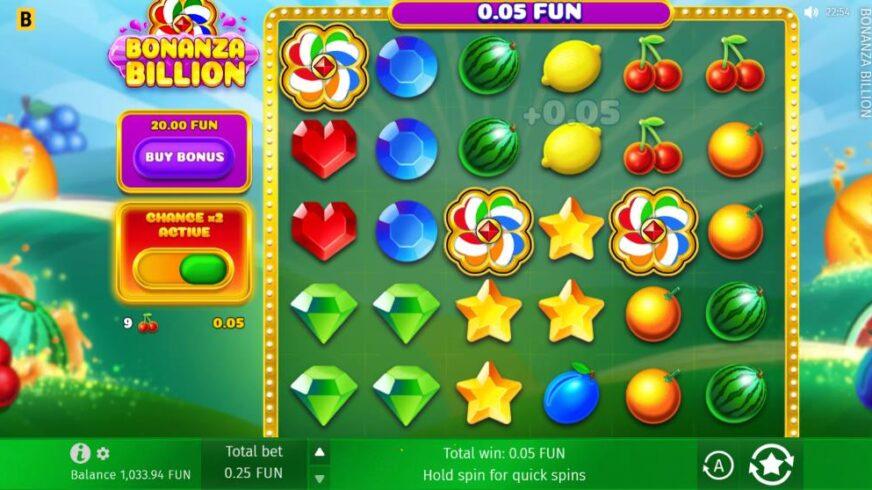
Electronic gaming machines, commonly known as slot machines, are a staple of modern casinos. They come in various themes and formats, offering players the chance to win jackpots through spinning reels or video-based games. The odds of winning are programmed into the machines, ensuring that the casino maintains a profit margin.
2.3 Specialty Games
Casinos also feature specialty games, which may include poker rooms, bingo halls, and keno. These games often have different rules and structures, attracting a diverse range of players.
3. The Economic Model of Casinos
The economic model of casinos is built on the concept of the house edge. This is the mathematical advantage that the casino has over players in each game. While players can win in the short term, the house edge ensures that, over time, the casino will always profit.
3.1 Revenue Generation
Casinos generate revenue through several streams:
- Gaming Revenue: The primary source, derived from the house edge on games.
- Non-Gaming Revenue: Includes income from hotel stays, dining, entertainment, and retail. Many casinos operate as full-fledged resorts, providing a range of services that enhance the overall experience and increase revenue.
3.2 Marketing and Promotions
Casinos employ sophisticated marketing strategies to attract and retain customers. This includes loyalty programs, promotional events, and targeted advertising. By offering players rewards for their loyalty, casinos can encourage repeat visits, which is critical for sustaining revenue.
4. Regulatory Framework
Casinos operate under strict regulatory frameworks that vary by jurisdiction. Governments impose regulations to ensure fair play, protect consumers, and prevent illegal activities such as money laundering.
4.1 Licensing
To operate legally, casinos must obtain licenses from the relevant authorities. This process involves thorough background checks, financial audits, and compliance with local laws.
4.2 Responsible Gaming
Many jurisdictions require casinos to implement responsible gaming measures. This includes providing resources for players who may be struggling with gambling addiction, such as self-exclusion programs and access to counseling services.
5. The Psychology of Gambling
Understanding the psychology of gambling is essential for grasping how casinos operate. Several psychological factors influence player behavior:
5.1 Risk and Reward
Gambling inherently involves risk, and the potential for reward is a significant motivator. Players are often drawn to the thrill of winning, which can lead to a cycle of betting and chasing losses.
5.2 Near Misses
Casinos often design games to create the illusion of near misses, where players almost win. This can trigger a sense of excitement and encourage continued play, as players feel they are close to winning.
5.3 Social Interaction
Many casino games, particularly table games, involve social interaction. This can enhance the enjoyment of the experience, making players more likely to return. The communal atmosphere can create a sense of belonging and shared excitement.
6. The Future of Casinos
The landscape of casinos is evolving, particularly with the rise of online gambling. Online casinos offer players the convenience of gambling from home, often with a broader range of games and bonuses.
6.1 Technological Advancements
Casinos are increasingly adopting technology to enhance the gaming experience. This includes cashless gaming, mobile apps for betting, and virtual reality experiences. These innovations aim to attract younger audiences and adapt to changing consumer preferences.
6.2 Regulation of Online Gambling
As online gambling grows, regulatory bodies are working to establish frameworks to ensure fair play and consumer protection. This includes licensing online operators and implementing responsible gaming measures.
Conclusion
Casinos are complex operations that blend entertainment, economics, and psychology. They are designed to create an engaging environment that encourages players to participate in gaming activities. While the house edge ensures profitability, the allure of potential winnings keeps players returning. As the industry evolves, casinos must adapt to new technologies and changing consumer behaviors to remain competitive. Understanding the inner workings of casinos is essential for both players and operators, as it sheds light on the intricate balance between risk, reward, and responsible gaming.